Outside Drains and Gullies: A Guide for Chichester Homes
For homeowners in Chichester and the surrounding West Sussex area, outside drains and gullies play an essential role in managing rainwater and protecting properties from flooding. These systems collect water from roofs, patios, and driveways, directing it safely away from buildings. Without proper upkeep, however, they can become blocked or damaged, leading to water pooling and potentially costly structural issues.
Understanding how your outside drains, gullies, and channel drains operate will help you spot problems early and implement effective maintenance routines. Given the local climate, which can bring heavy rainfall especially in autumn and winter, regular care is vital to keep drainage systems working smoothly across towns like Midhurst, Bognor Regis, and the quieter villages of Lavant and Birdham.
How Outside Drains, Gullies, and Channel Drains Work
Outside drains and gullies are designed to intercept surface water before it can cause damage to your home. Gullies are typically found along paths, driveways, or at the base of downspouts. They collect water through a grated cover and channel it into underground pipes which then carry the water away to the main drainage system or soakaways. Channel drains, often installed along patios or driveway edges, perform a similar function but deal with larger volumes of surface water over longer stretches.
In Chichester and surrounding West Sussex areas such as Southbourne and Boxgrove, properties often have a combination of these drainage elements to manage water effectively. The local soil types and garden layouts influence the choice and positioning of these drains, with clay soils in some parts causing slower drainage and requiring more frequent monitoring.
Maintaining the proper flow through these drainage features prevents water from pooling near foundations or garden spaces, crucial in older homes typical to the region. Ensuring the grates are intact and clear is the first step in preserving their function.
Why Leaves and Silt Block Drains and Gullies
Leaves, twigs, and silt are the most common culprits behind blocked outside drains and gullies. In West Sussex, the autumn months bring a heavy fall of leaves from trees prevalent in woods near Tangmere or Petworth. These organic materials often accumulate on drain grates or get washed into gullies, where they settle and gradually build up, restricting water flow.
Silt and soil washed off from garden beds or surrounding land during heavy rains exacerbate this problem. For homes in coastal or rural areas like Selsey or East Wittering, fine particles can settle within drains, combining with organic debris to form thick blockages that are difficult to clear without professional equipment.
Regular clearing of leaves and debris from drain covers and nearby gutters is vital to avoid these issues. Neglected blockages can lead to water backing up, increasing the risk of flooding or damage to paving and foundations.
Seasonal Maintenance for Outside Drains and Gullies
Seasonal changes in Chichester and the wider West Sussex region demand proactive maintenance of outside drainage systems. In autumn, clearing leaves before they accumulate heavily can prevent blockages. Regular inspection of drain covers and gullies after storms is also advisable to spot any damage or clogging early.
Winter brings wetter conditions, so ensuring drains are fully operational is crucial to prevent standing water or ice formation near the house. In spring, clearing any leftover debris and flushing drain pipes helps remove silt and dirt that settled over the colder months.
For gardens and driveways in villages like Bosham or Fishbourne, where gardens can be heavily planted, trimming back overhanging branches and maintaining clear access to drains helps reduce debris entering the system. A simple routine of checking once every season or after heavy rainfall often suffices for most homes.
Identifying What Standing Water Around Your Home Means
If you notice standing water near your home in Chichester, it’s a sign your drainage system may not be functioning properly. Water pooling near foundations or on driveways indicates the drains or gullies might be blocked, damaged, or insufficient for the volume of water.
Standing water can cause significant problems, including dampness in basements, erosion of soil around foundations, and damage to paved surfaces. In West Sussex's clay soil areas, waterlogging is especially problematic as it can take longer for water to drain away naturally.
Prompt investigation of standing water is recommended to avoid costly repairs. In many cases, clearing debris, repairing grates, or checking for broken pipework solves the issue. Sometimes additional drainage solutions like soakaways or improved channel drains may be needed, especially in areas prone to heavy rainfall like Midhurst or Sidlesham.
Local Drainage Considerations in West Sussex Homes
Homes in Chichester and the surrounding area face unique drainage challenges due to the local climate and geography. West Sussex's mix of coastal environments and rural farmland means drainage systems need to cope with varying water volumes and soil types.
For example, coastal towns like Bognor Regis and Selsey experience salt air and wetter conditions, which can corrode metal drain grates and encourage moss growth, requiring more frequent inspection. Inland areas such as Lavant or Tangmere may see more silt runoff from farmland, increasing the risk of sediment build-up in gullies.
Understanding these local factors helps homeowners tailor their maintenance approaches, such as scheduling more frequent leaf clearance in woodland-adjacent properties or monitoring salt corrosion in coastal homes.
DIY Tips for Maintaining Outside Drains and Gullies
Regular DIY maintenance can prevent many drainage problems in Chichester homes. Start by removing leaves, twigs, and other debris from drain covers with gloves and a stiff brush. Using a hosepipe to flush gullies can help clear minor blockages and move sediment downstream.
Check for cracked or damaged grates and replace them promptly to avoid falling hazards and ensure effective debris filtration. Clearing gutters above the drains also reduces debris washing into outside drain systems.
However, avoid using chemical drain cleaners as they can damage pipes and harm the environment. For stubborn or deep blockages, it’s best to seek professional assistance to avoid causing damage or incomplete clearance.
When to Call a Professional Drainage Expert in Chichester
While routine cleaning can be handled by most homeowners, certain drainage issues require professional expertise. Persistent blockages, foul odours, damaged pipework, or standing water that doesn’t drain away promptly suggest more serious problems.
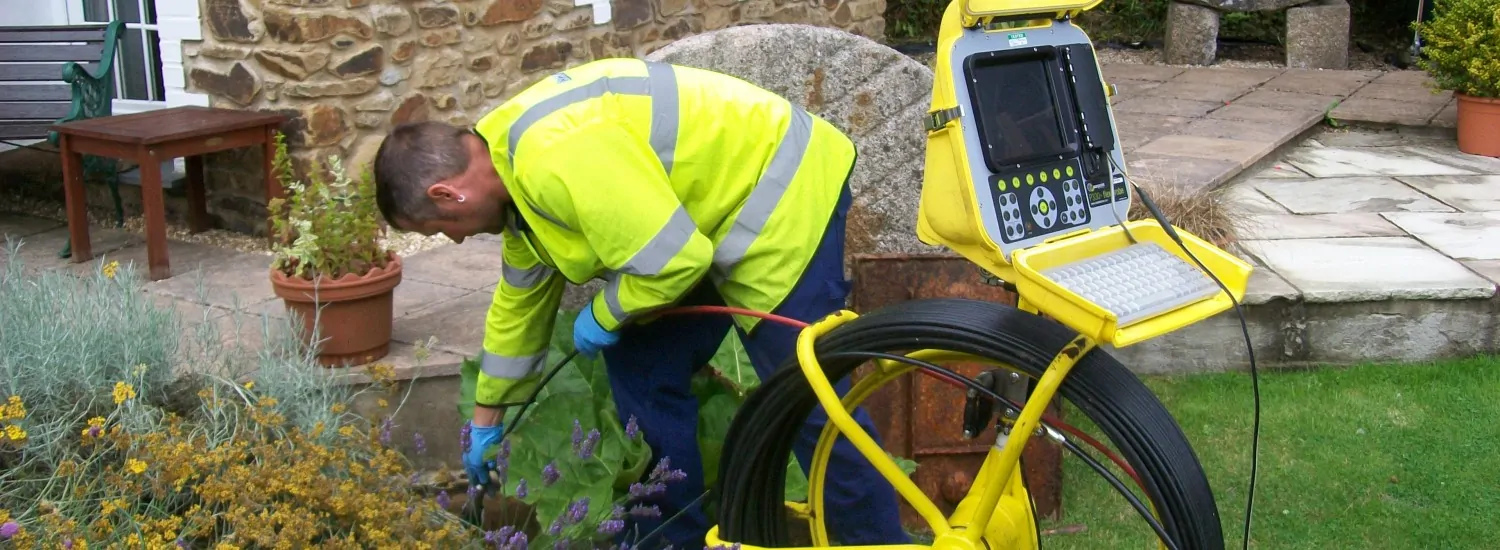
Drainage specialists based in Chichester have the right tools, like drain cameras and high-pressure water jets, to diagnose and clear complex blockages safely. They can also carry out repairs or advise on upgrades to your system, ensuring compliance with local regulations in West Sussex.
If you observe water pooling after rain, repeated blockages, or damage to gullies and channel drains, arranging a professional inspection can save money and hassle by preventing more severe problems down the line.
Need a drainage expert in Chichester?
Call 01243 278179