Blocked Toilet in Chichester? What to Do Before You Call a Professional
A blocked toilet is a common and frustrating household issue, especially for homeowners across Chichester and the surrounding areas of West Sussex. Whether you live in a cosy cottage in Bosham or a newer property in Tangmere, knowing what to do when your toilet refuses to flush properly can save time, reduce stress, and help prevent further damage.
While it’s tempting to immediately call a professional, there are safe and practical steps you can try first to unblock your toilet. Understanding these initial measures, as well as recognising signs of more serious drainage problems, is key to managing the problem effectively without causing additional issues.
Safe First Steps to Take When Your Toilet Is Blocked
The first thing to do when facing a blocked toilet is to resist the urge to flush repeatedly. Repeated flushing can cause the bowl to overflow, making the mess worse and potentially damaging the bathroom floor. Instead, try to assess the blockage gently without causing water to spill over.
If you have a plunger available, this can be an effective initial tool. Use a flange plunger if possible, as it creates a better seal around the toilet outlet. Make slow, steady plunging motions rather than vigorous thrusts to avoid splashing. Before plunging, block any overflow holes to increase pressure where it’s needed.
In some cases, using a toilet brush or a plastic drain snake can help shift minor blockages caused by paper or small debris. However, avoid any sharp or metal objects that risk scratching the porcelain or damaging the pipework beneath the toilet.
What to Avoid When Trying to Clear a Blocked Toilet
Avoid using chemical drain cleaners in your toilet. These substances can be harsh and may damage the porcelain, seals, or older pipework commonly found in West Sussex properties. They also pose risks to your health and the environment, so it’s best to steer clear of them.
Do not pour excessive amounts of water into the toilet bowl or attempt to dislodge the blockage with household items like wire hangers. These methods often worsen the problem and can push the blockage further down the drainage pipes, making professional intervention more complicated.
It’s also important not to use harsh force or dismantle any plumbing parts yourself unless you are confident in your DIY skills. Toilets are often connected to complex drainage systems, especially in older homes around Chichester, and improper handling can lead to leaks or costly repairs.
Why Repeated Flushing Can Make a Blocked Toilet Worse
Flushing a blocked toilet multiple times can cause the water in the bowl to rise above the rim. This increases the risk of overflow, leading to water damage on bathroom floors and possibly seeping into wooden flooring or subflooring, a particular concern in homes across West Wittering and East Wittering where moisture issues can be common.
Repeated flushing can also intensify the blockage by pushing waste deeper into the drainage pipe, which might make clearing the obstruction more difficult and expensive later on. The pressure created by multiple flushes sometimes forces debris into bends or joints in the pipes that are harder to reach.
Additionally, the repeated water flow can weaken older pipe joints, especially in properties with aging plumbing systems typical of the West Sussex region, leading to leaks or pipe bursts, which require immediate professional attention.
Signs the Problem Is in the Drain, Not Just the Toilet
If your toilet continues to block or flush slowly after removing obvious obstructions, the blockage may be within the drainage pipe or sewer line rather than the toilet itself. This is more common in older homes in Petworth or Midhurst, where drainage systems may be affected by tree roots or collapsed pipes.
Another indication is if multiple fixtures are slow to drain, such as sinks or showers backing up when the toilet is flushed. This suggests a shared drainage issue rather than an isolated toilet blockage.
Unpleasant smells coming from the toilet or nearby drains can also signal a deeper problem, such as a blocked or damaged sewer pipe. In coastal areas like Selsey and Sidlesham, drainage problems can be aggravated by soil conditions and high water tables, increasing the likelihood of such blockages.
When to Call a Professional for Toilet Blockages
If you’ve tried basic DIY methods and the toilet remains blocked, it’s wise to call a drainage expert. Situations like persistent blockages, frequent repeats, or signs of drainage issues require specialist equipment and knowledge, especially in the diverse property types found in and around Chichester.
Also seek professional help if you notice water leaking from around the base of the toilet, which might indicate seal failure or damage to the pan connector pipe. Early intervention in West Sussex homes can prevent costly water damage and maintain the integrity of your drainage system.
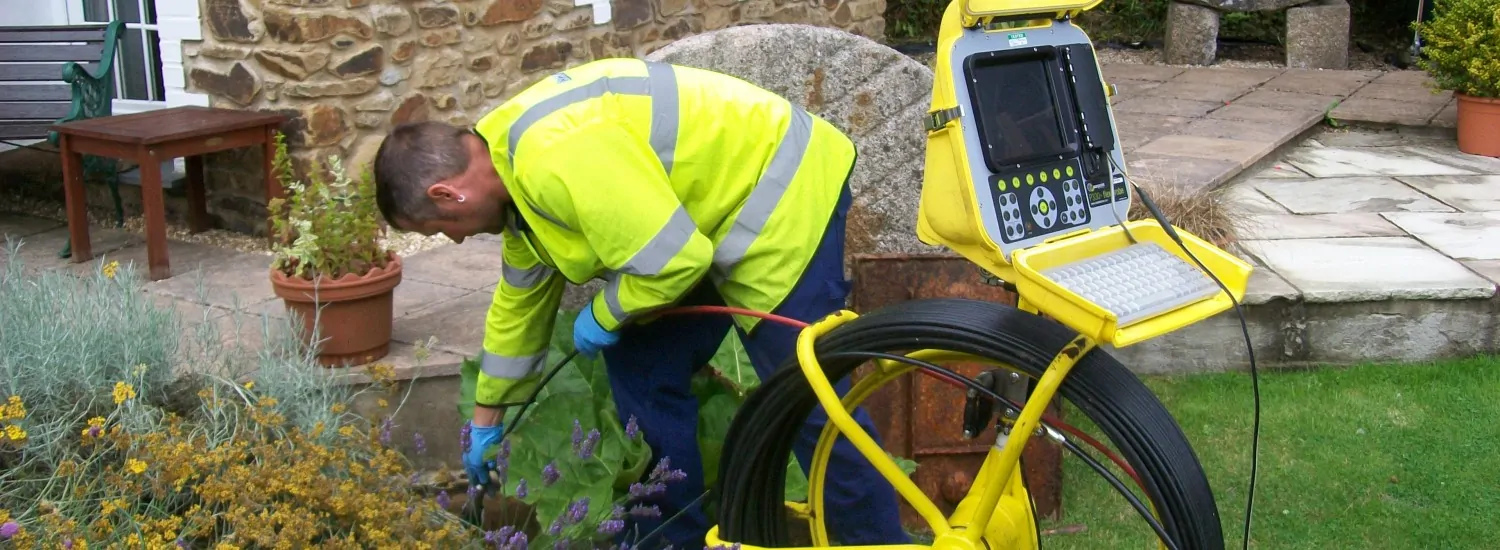
If you suspect tree roots or collapsed pipes as the cause of your drainage problems, professional drain inspection techniques like CCTV surveys are crucial. These surveys help locate the exact source of the blockage and guide effective repairs without unnecessary disruption.
Local Property Considerations in Chichester and West Sussex
Many houses in Chichester and nearby towns like Bosham and Fishbourne have older drainage systems that can be prone to blockages caused by a build-up of waste or invasive roots. Maintaining your plumbing regularly helps reduce the chances of sudden blockages.
Coastal areas such as East Wittering and West Wittering face unique challenges due to shifting ground conditions and higher moisture levels, which can affect underground drainage pipes. Homeowners here should be aware that blockages might sometimes be symptoms of larger issues.
In newer developments around Tangmere or Southbourne, blockages tend to arise from accidental flushing of inappropriate items or poor pipe gradients. Understanding your home’s drainage layout can help you identify whether the blockage is minor or requires professional attention.
Preventative Tips to Avoid Future Toilet Blockages
One of the best ways to avoid blocked toilets is to be mindful of what goes into them. Avoid flushing anything other than toilet paper and human waste; items like wet wipes, sanitary products, and cotton buds often cause blockages, especially in the narrow pipes common in older West Sussex properties.
Regular maintenance such as yearly drain clearing and inspection can help identify issues before they cause blockages. This advice holds true for homeowners across Chichester, Bognor Regis, and the broader West Sussex area.
Consider installing drain strainers or guards to catch debris before it enters your plumbing system. These simple additions can provide extra protection, especially in family homes or properties used as holiday lets in areas like Birdham or Lavant.
What to Expect When Professionals Arrive
When a drainage expert arrives to unblock a toilet in Chichester or surrounding towns, they typically start with a visual inspection followed by attempts using professional plungers or electric drain snakes. If these methods fail, they may carry out a CCTV drain survey to diagnose deeper problems.
Depending on the findings, repairs might range from simple clearing and pipe flushing to more extensive work like pipe repairs or root cutting. Professionals aim to cause minimal disruption, which is particularly important in busy households or older properties with delicate fixtures.
After clearing the blockage, they usually provide advice on maintenance and prevention, helping you keep your drainage system running smoothly and reduce the risk of future blockages.
Need a drainage expert in Chichester?
Call 01243 278179