Collapsed Drains in Chichester: Signs, Causes and Repair Options
Collapsed drains are a common yet serious issue affecting homes across Chichester and the surrounding West Sussex area. These underground pipes carry waste water away from your property, and when they fail, it can cause significant inconvenience and damage. Understanding the signs and causes of collapsed drains is essential for timely intervention and preventing costly repairs later on.
Drainage systems in older properties around Chichester, including nearby towns such as Bognor Regis, Midhurst, and Selsey, can be particularly vulnerable due to ageing materials and soil movement. This article outlines how to recognise a collapsed drain, explores common causes, and discusses effective diagnosis and repair techniques used locally.
What Is a Collapsed Drain?
A collapsed drain refers to a section of underground drainage pipe that has broken down, caved in, or become crushed, interrupting the normal flow of waste water. This could be caused by the pipe cracking, shifting out of place, or being crushed under the weight of soil, tree roots, or traffic above ground. When a drain collapses, water can no longer flow freely, leading to blockages and backflow issues inside the home.
Typically, drains are made from materials such as clay, concrete, or plastic. Older homes in West Sussex, including areas like Petworth and Bosham, often have traditional clay pipes which are more prone to collapse due to their brittle nature. Modern plastic pipes are more resilient but can still suffer from damage in unstable ground conditions.
Key Signs of a Collapsed Drain
One of the most noticeable signs is persistent blockages. If toilets, sinks, or showers repeatedly back up despite attempts to clear them, it might indicate a blockage caused by a collapsed section. Slow draining water can also be a warning sign. Homeowners in Chichester or nearby Tangmere should pay attention if wastewater takes longer than usual to clear.
Damp patches or unusual smells in the garden or around the home’s exterior walls can signal leaking wastewater from a damaged drain line. In addition, you might notice ground subsidence — uneven, sinking patches in lawns or driveways — especially around properties in Southbourne or East Wittering, where the soil is prone to shifting.
Sinkholes forming in garden areas are a more extreme symptom and indicate significant underground voids caused by drain collapse. These require urgent professional assessment as they can threaten structural safety.
Common Causes of Drain Collapse in West Sussex
Age and material deterioration is a leading cause. In many Chichester homes, older clay or concrete pipes degrade over time due to natural wear and chemical erosion from wastewater, becoming brittle and prone to cracking or breaking.
Tree roots are notorious for infiltrating drains in suburban and rural West Sussex locations such as Lavant or Sidlesham. Roots seek out moisture inside pipes, growing into the joints and causing blockages or fractures. Over time, this can lead to sections collapsing under pressure.
Ground movement and soil erosion around Chichester’s varied landscape can cause pipes to shift or become unsupported. Heavy rainfall or changes in groundwater levels may cause soil to wash away, leaving drains vulnerable to collapse especially in areas with clay-rich soil.
External pressure from heavy vehicles repeatedly crossing driveways or roads above underground pipes can crush older drains. This is a concern in busier residential parts of Fishbourne or Birdham where traffic loads have increased with development.
How Collapsed Drains Are Diagnosed
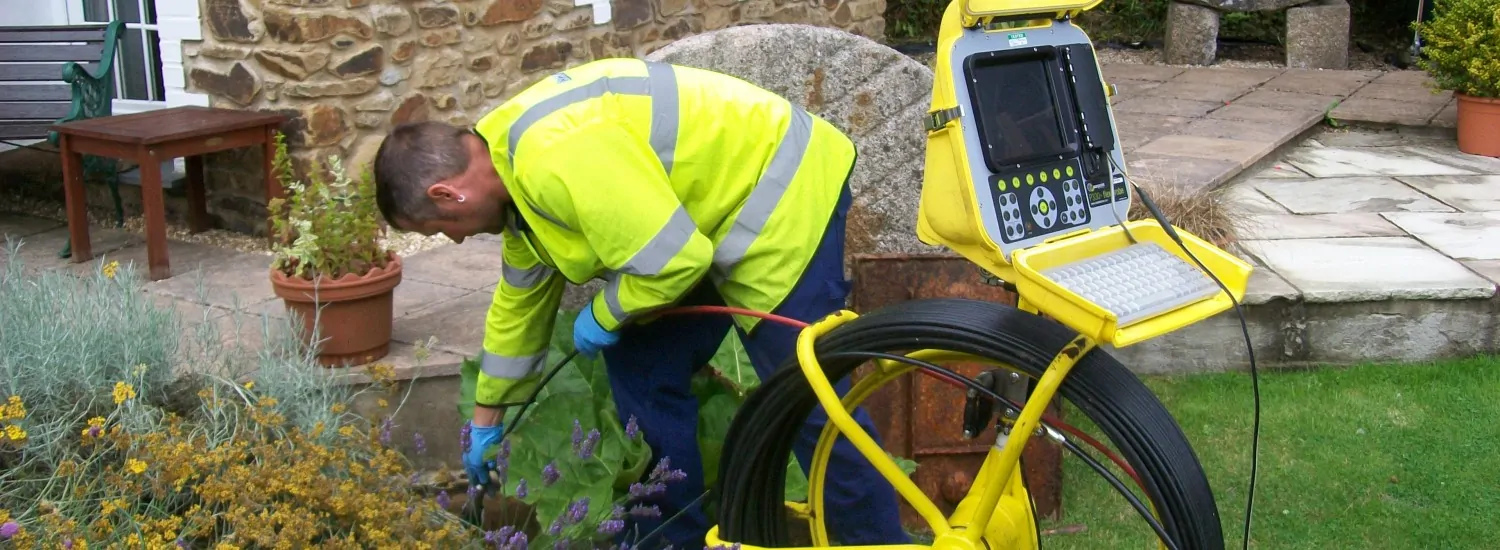
Drain problems can be challenging to diagnose without specialist equipment. Professional drainage surveys often start with a CCTV inspection, where a small camera on a flexible rod is fed through the pipes to visually assess the condition. This method is commonly used in Chichester and surrounding West Sussex towns for its accuracy and minimal disruption.
CCTV inspections can locate the exact position and extent of a collapse, revealing cracks, blockages, root invasions, or misaligned joints. They are essential for planning the most appropriate repair method and can also detect other issues like grease build-up or foreign objects.
In some cases, ground-penetrating radar or acoustic surveys may complement CCTV to provide a full picture of underground conditions. Local drainage specialists operating in areas like West Wittering or Boxgrove are familiar with these techniques, ensuring thorough assessment.
Repair Options for Collapsed Drains
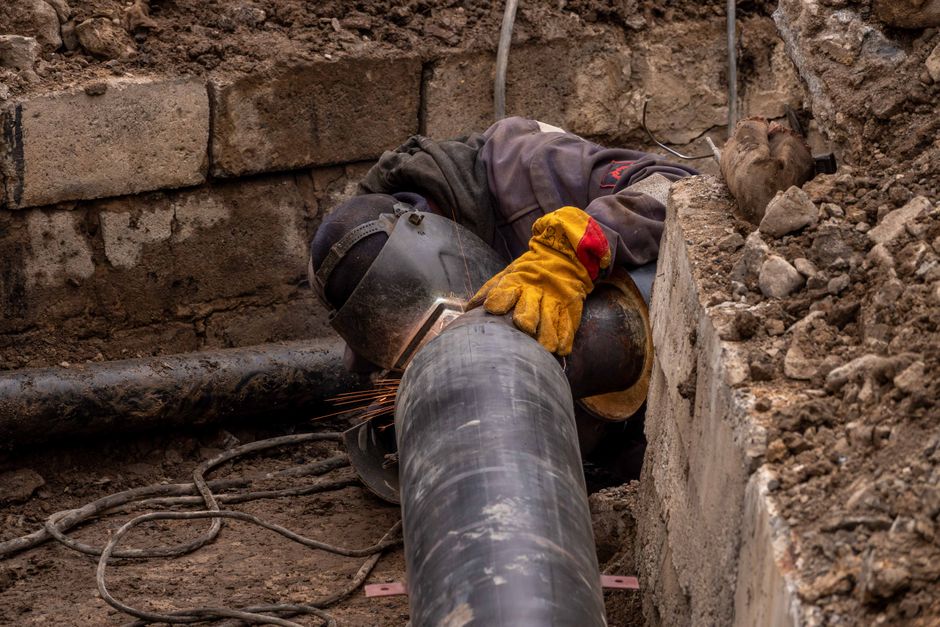
The choice of repair depends on the damage severity and pipe accessibility. Traditional excavation involves digging up the affected section of drain to remove and replace broken pipes. This is often necessary for extensive collapses, but can be disruptive and costly, especially in established gardens or driveways common in Chichester homes.
Trenchless repair techniques have become increasingly popular in West Sussex. Methods such as pipe relining involve inserting a resin-coated liner inside the existing pipe, which hardens to form a new pipe within the old one. This process avoids major excavation, preserves landscaping, and is quicker.
For minor collapses, spot repairs or partial pipe bursts may suffice. These are targeted fixes done via small excavations or by inserting repair sleeves. These techniques are suited for isolated damage often found in residential properties across Midhurst or Petworth, saving time and reducing disruption.
Maintenance Tips to Prevent Drain Collapse
Regular drain inspections can identify early signs of damage before a full collapse occurs. Homeowners in Chichester and nearby towns like Bognor Regis should arrange CCTV surveys every few years, especially for older properties or those with heavy tree coverage.
Avoid flushing fats, oils, or non-biodegradable items down drains as these can cause blockages that increase pressure and contribute to pipe failure. Using strainers in sinks and ensuring garden runoff and tree roots are managed can alleviate stress on your drainage system.
If you notice any early signs such as slow drainage or unusual smells, it’s important to seek professional advice promptly. Early intervention in places like Tangmere or Southbourne can reduce the risk of costly repairs and protect your property’s foundation.
Working with Local Drainage Specialists in Chichester
When dealing with collapsed drains, it’s beneficial to work with drainage professionals familiar with the local soil conditions and common drainage layouts found in Chichester and West Sussex. They can offer tailored advice that suits your property’s age and surroundings.
Experienced local specialists use up-to-date CCTV and trenchless technologies to diagnose and repair drains efficiently while minimising disruption to your daily life and gardens. Homeowners in Bosham, Lavant, or Emsworth often rely on their expertise for long-lasting solutions.
Choosing professionals who operate within the local area means they understand the local regulations and drainage infrastructure, which is especially helpful when coordinating repairs that may affect council or shared drainage systems.
Need a drainage expert in Chichester?
Call 01243 278179