Drain Repairs vs Drain Relining in Chichester: Which Do You Need?
Homeowners in Chichester and the wider West Sussex area often face challenges with damaged drains. Choosing the right repair method is crucial to restoring proper drainage and avoiding recurring issues. Two of the most common solutions are traditional drain repairs involving excavation and the more modern drain relining technique.
Each method has distinct advantages and considerations, influenced by factors like the extent of damage, location of the drain, and potential disruption. This article aims to guide you through the differences between these approaches and help you decide which is best suited for your home in Chichester or neighbouring towns such as Bognor Regis or Midhurst.
Understanding Traditional Drain Repairs
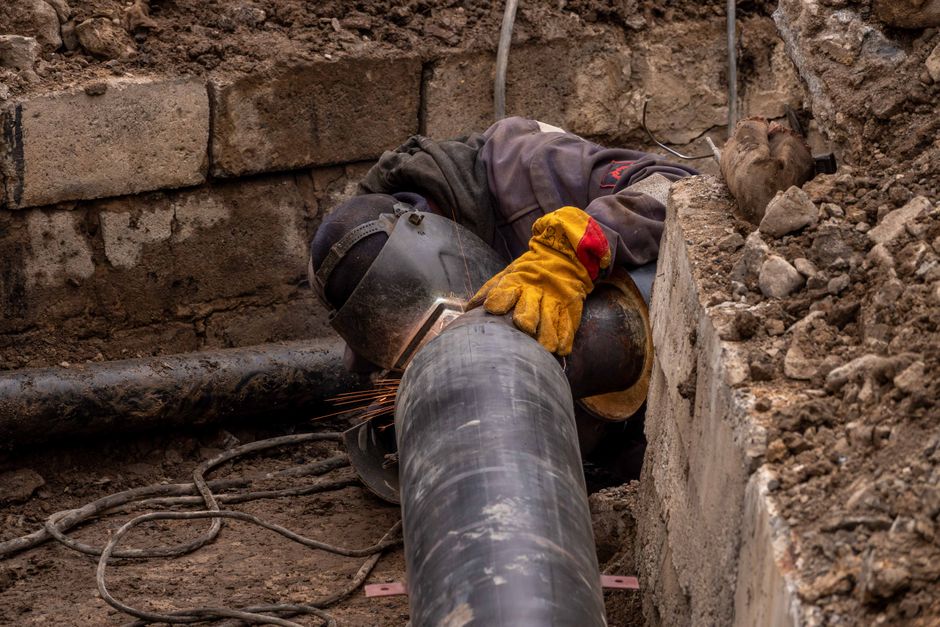
Traditional drain repairs involve physically excavating the affected section of the drain to access and fix the problem. This method typically requires digging up parts of your garden, driveway, or pavement to expose the damaged pipework. In areas around Chichester, where properties often have mature gardens or older infrastructure, this can be quite disruptive.
The repair process includes removing broken sections, clearing blockages, or replacing damaged pipes. While this method is tried and tested, it can be labour-intensive and time-consuming. Homeowners should expect some level of disruption, including possible damage to landscaping or surfaces that will need restoring post-repair.
Despite these drawbacks, traditional drain repairs provide a direct fix that allows drainage professionals to assess the issue thoroughly and ensure complete removal of damaged pipework, which can be particularly beneficial in severely compromised drains.
What is Drain Relining?
Drain relining is a modern, non-invasive technique that repairs damaged drains without excavating the ground. Instead, a flexible liner coated with resin is inserted into the existing pipe. This liner hardens inside the pipe, forming a new, durable pipe within the old one.
This no-dig method minimises disruption and is especially popular in Chichester and surrounding areas like Bosham and Tangmere, where properties might be close together or have delicate garden spaces. It's faster and cleaner, often completed within a day, and homeowners can usually resume normal use almost immediately.
Relining also extends the lifespan of existing drainage systems by sealing leaks and preventing root ingress, making it a cost-effective and environmentally friendly option in many cases.
Pros and Cons of Traditional Drain Repairs
One of the biggest advantages of traditional drain repairs is the ability to directly access the pipe, allowing for full inspection and replacement of severely damaged sections. This can be crucial for older properties in West Sussex where pipes may have deteriorated significantly.
However, the excavation required can cause significant disturbance, especially in properties with landscaped gardens or driveways, such as those in Chichester or Southbourne. This often leads to higher costs due to reinstatement work and longer project durations.
There is also the potential for unexpected challenges underground, such as locating pipes or avoiding other utilities, which can extend the repair timeline and add complexity.
Pros and Cons of Drain Relining
Drain relining offers minimal disruption with no need for digging, preserving gardens and paved areas common in West Sussex homes, including those in Petworth and Selsey. This method is quicker, often completed within a day, and reduces labour costs.
It is an effective solution for cracks, small holes, and joint leaks, providing a seamless and waterproof lining inside the pipe. This lining can last several decades, offering homeowners a long-term fix without the mess.
However, relining is not suitable for pipes that are severely collapsed or extensively damaged, as the existing structure must still hold the liner. Additionally, pipe diameter may slightly reduce after relining, which could affect flow in some cases.
How to Decide Which Method Suits Your Drain
The decision between traditional repairs and relining largely depends on the extent and type of drain damage. For example, a small crack or joint leak under a driveway in Chichester might be ideally suited to relining, preserving the hard landscaping.
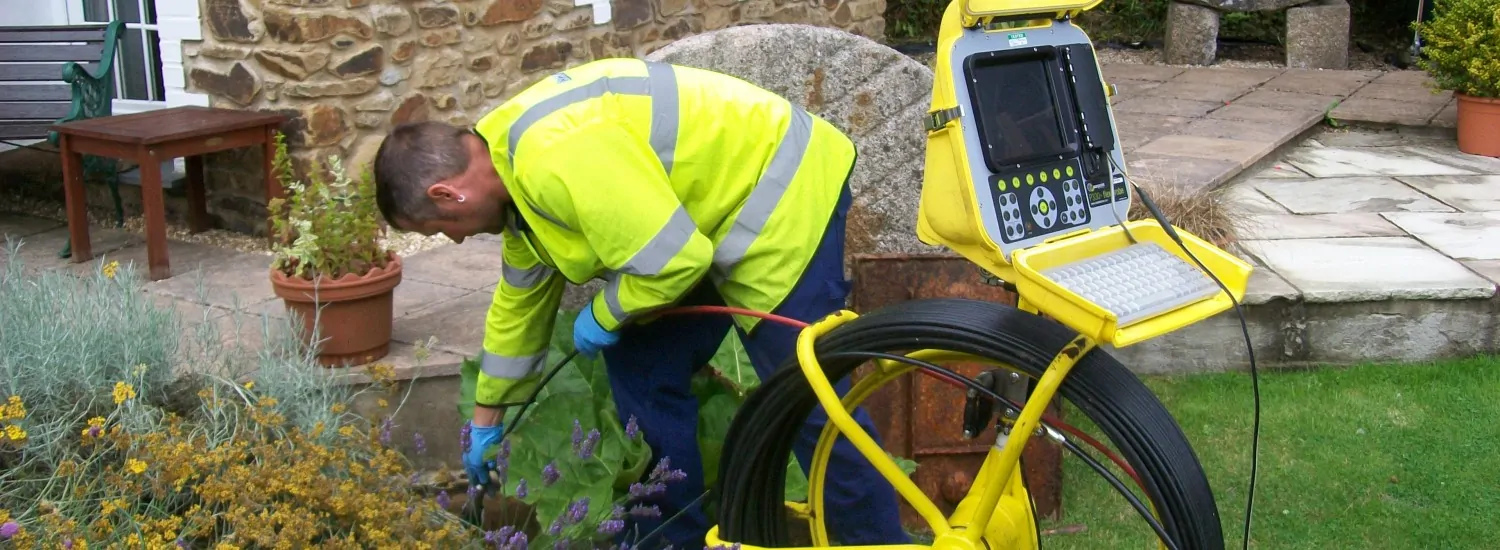
Conversely, a completely collapsed or blocked drain in a garden at West Wittering or Birdham may require excavation to fully replace the damaged section. A CCTV drain survey is the best way to assess the problem accurately.
Local factors such as access restrictions, nearby utilities, and the age of the property’s drainage system also influence the choice. Consulting with a drainage specialist familiar with West Sussex conditions can provide tailored advice to ensure the best outcome.
Local Considerations for Drain Repairs in West Sussex
Chichester and towns like East Wittering and Boxgrove often feature older drainage systems that can be prone to root ingress due to mature vegetation common in the area. This can cause recurrent blockages or pipe damage.
Properties near the coast, including Selsey and Emsworth, may also experience issues due to shifting ground and soil erosion, making durable repair methods more necessary. These regional factors emphasise why professional assessment is vital.
Understanding local soil types and seasonal impacts in West Sussex can help homeowners anticipate drainage challenges and choose the most suitable repair approach to protect their home infrastructure long-term.
What to Expect During Repair or Relining Work
For traditional repairs, homeowners should prepare for some level of garden or driveway disruption. The specialist team will mark out the damaged area, excavate carefully, and replace the damaged pipe sections before reinstating the surface. Depending on the weather and the extent of repairs, completion can take several days.
Relining work is generally quicker and less messy. After a CCTV survey to pinpoint damage, the lining is inserted using specialist equipment and cured in place with minimal noise and disturbance. Most properties in Chichester and nearby towns like Lavant or Sidlesham experience little inconvenience during this process.
Both methods will require closing off drains temporarily and may involve some odour or noise, but professional teams aim to minimise impact and keep you informed throughout.
Maintaining Your Drains After Repair
Once your drain has been repaired or relined, routine maintenance is key to prolonging its lifespan. Avoid flushing harsh chemicals or disposing of grease down the drains, as these substances can contribute to blockages.
Regular inspections, especially after heavy rainfall common in West Sussex, can identify potential issues before they escalate. Drain clearance services can help prevent buildup of debris and roots.
Homeowners in towns like Fishbourne or Southbourne may also benefit from scheduled CCTV surveys every few years to ensure the integrity of the drainage system, reducing the risk of costly future repairs.
Need a drainage expert in Chichester?
Call 01243 278179